
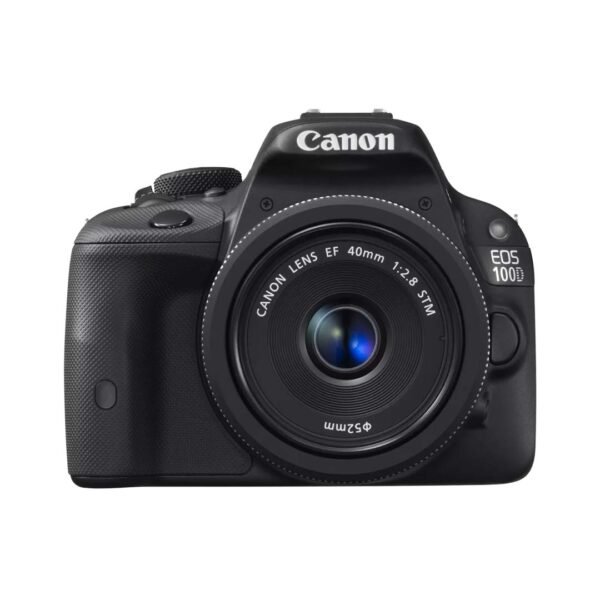
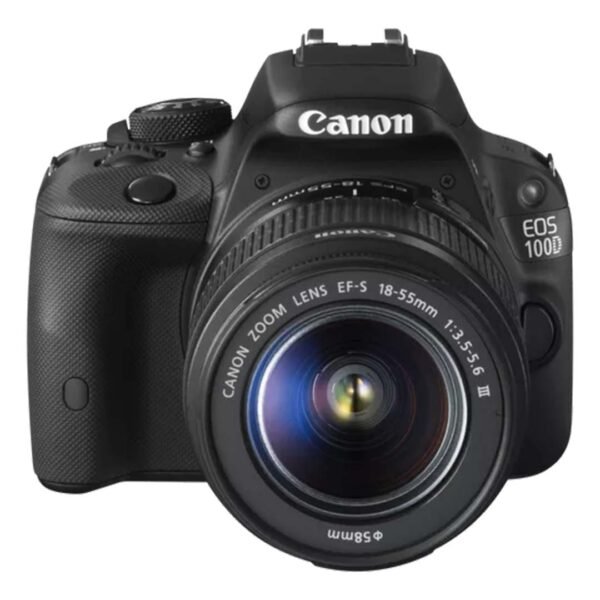

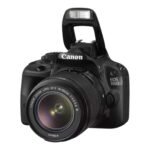
Canon EOS 100D
Canon EOS 100D Refurbished
Looking for the most affordable Canon EOS 100D price in Kenya? Here is a quick summary of why this ultra-compact DSLR from Lapymania Technologies is the perfect choice for travel enthusiasts, students, and beginners in Nairobi.
Compact Design & Powerful Imaging
-
World’s Smallest DSLR: This ultra-lightweight camera is perfect for traveling across Kenya without the burden of a heavy gear bag.
-
High-Resolution Sensor: Features an 18.0 Megapixel APS-C CMOS sensor for stunningly detailed and rich professional images.
-
Fast Processing: Powered by the DIGIC 5 image processor, ensuring rapid operation and vibrant color reproduction.
-
Low-Light Capability: A versatile ISO range of 100-12800 (expandable to 25600) allows you to shoot in dimly lit venues without needing a flash.
Advanced Autofocus & Video
-
Hybrid AF System: The Hybrid CMOS AF II provides fast, accurate, and continuous focusing during Live View and video recording.
-
Precise Tracking: The 9-point AF system (featuring a cross-type center point) instantly locks onto moving subjects like kids or pets.
-
Action Ready: Capture fast-paced moments easily with 4.0 frames per second (fps) continuous shooting.
-
Intuitive Touchscreen: The 3.0-inch Clear View II Touchscreen LCD supports smartphone-like multi-touch gestures (pinch to zoom, swipe) for easy navigation.
-
Full HD Video: Records crisp 1080p video, making it an excellent starter camera for creating YouTube content or recording family memories.
Why Choose Lapymania Technologies?
-
Trusted Warranty: Your investment is protected with our standard 3-month motherboard warranty and one-year software warranty on this refurbished unit.
-
Quality Assured: Every camera undergoes strict quality control testing by our technicians to guarantee reliable performance.
-
Budget-Friendly: Get pro-level DSLR capabilities at a fraction of the cost of a new unit.
How to Buy in Nairobi
-
Shop Online: Secure your camera today via direct checkout at www.lapymania.com.
-
WhatsApp Support: Use the WhatsApp option on our website for real-time stock updates and personalized service.
-
Visit Our Store: Get a hands-on experience at Queens Mall M40, Rahimtullah Trust Building, along Moi Avenue, Nairobi.
Description
Canon EOS 100D Refurbished
Discover the incredible portability and power of the Canon EOS 100D, now available at Lapymania Technologies. If you are searching for the most affordable Canon EOS 100D price in Kenya, your hunt ends here. This camera, also known as the Rebel SL1, holds the title of the world’s smallest and lightest DSLR. Consequently, it is the perfect choice for travel enthusiasts and students in Nairobi who want professional image quality without carrying a heavy bag.
Compact Size, Massive Performance
Despite its tiny size, the Canon 100D packs a serious punch with its 18.0 Megapixel APS-C CMOS sensor. Because of this high-resolution sensor, you can capture stunningly detailed images that rival much larger cameras. Additionally, the powerful DIGIC 5 image processor ensures fast operation and superior color reproduction. Therefore, whether you are shooting a vibrant wedding in Westlands or a landscape in the Great Rift Valley, your photos will look rich and professional. Furthermore, the camera performs exceptionally well in low light. With an ISO range of 100-12800 (expandable to 25600), you can shoot in dimly lit restaurants or during evening events without using a flash. Thus, you preserve the natural atmosphere of the scene.
Advanced Hybrid Autofocus
One of the standout features of this camera is the Hybrid CMOS AF II system. Unlike older models, this system covers a large area of the frame, ensuring fast and accurate focusing during Live View. Moreover, when you use the optical viewfinder, the 9-point AF system locks onto subjects instantly. Specifically, the center point is cross-type, which provides extra precision for low-contrast subjects. As a result, you can track moving kids or pets with ease. Furthermore, the camera shoots at 4.0 frames per second (fps). Consequently, you can capture the perfect moment in a burst of action shots.
Intuitive Touchscreen and Video
Modern users will love the 3.0-inch Clear View II Touchscreen LCD. Since it supports multi-touch gestures, you can pinch to zoom or swipe through photos just like on a smartphone. In addition, the touchscreen makes changing settings incredibly fast and intuitive. For aspiring videographers, the Canon 100D records Full HD 1080p video. Because the Hybrid AF system works continuously during video mode, your subjects stay in focus even as they move. Therefore, this camera is an excellent starting point for starting a YouTube channel or recording high-quality family memories.
Why Buy Refurbished from Lapymania Technologies?
Purchasing a refurbished DSLR is a smart way to stretch your budget further. At Lapymania Technologies, we ensure that every unit undergoes strict quality control before it reaches our shelves. To demonstrate our commitment to quality, we offer a 3-month motherboard warranty and a one-year software warranty. This comprehensive coverage ensures that your device remains reliable and up-to-date.
How to Purchase in Nairobi
You can own this compact powerhouse today through our easy shopping options. First, visit our website at www.lapymania.com and securely check out online. Alternatively, utilize our WhatsApp option to chat with our staff for real-time stock updates. Finally, if you prefer a hands-on experience, visit our physical store. We are conveniently located at Queens Mall M40, Rahimtullah Trust Building, along Moi Avenue, Nairobi. Our team is ready to welcome you and help you start your photography journey.
There are no question found.
Return & Refund Policy
Introduction
At LAPYMANIA, we strive to provide a seamless shopping experience. Please inspect your package upon delivery and verify the products. If you encounter any issues, you can apply for a return within 30 days of purchase.
Service Types
| Type | Description | Review Method |
|---|---|---|
| Return & Refund | Return goods first, then refund | Seller reviews within 48 hours (we will contact you via call/SMS or email) |
| Exchange | Return goods first, then replace an item | Seller reviews within 48 hours (we will contact you via call/SMS or email) |
| Refund Only | Partial or full refund without return | Seller reviews within 48 hours (we will contact you via call/SMS or email) |
Return Conditions
Electronic products can be returned within 30 days of receipt if they are in original condition. For products with a warranty beyond 30 days, please contact us for further assistance.
Supported Reasons for Return
- Change of Mind (excluding non-returnable items)
- Defective Products
- Item Doesn’t Match Description
- Wrong Product (color/size/model)
- Missing Parts or Product
- Counterfeit Products
- Damaged Product
Non-Returnable Items
- Personalized/custom products
- Digital items such as software
- Products that have been opened, installed, or activated
- Products not purchased from LAPYMANIA
- Products exceeding the warranty period
- Products with unauthorized repairs, misuse, or alterations
- Refurbished items
Product Integrity Standards
Returned products must include all original packaging, tags, manuals, and accessories. The product should be undamaged and in its original condition.
Return Process
- Contact Us: Initiate a return by contacting customer service at info@lapymania.com or +254 758 264490.
- Receive Return Authorization: We will provide a Return Merchandise Authorization (RMA) number and detailed return instructions.
- Ship the Item: Securely pack the item, include the RMA number, and ship it back as instructed.
- Inspection and Processing: We will inspect the item and process your refund or exchange within 7-10 business days of receiving the return.
Return Shipping Costs
- Defective/Damaged Items: We cover return shipping costs.
- Other Returns: Customers are responsible for return shipping costs.
Refunds
Approved refunds will be processed to the original payment method within 7-10 business days of receiving and inspecting the returned item. We will notify you via email once the refund has been processed.
Exchanges
Contact us with your order details and the item you wish to exchange. We will provide further instructions and guide you through the exchange process.
Policy Visibility
Our Return & Refund Policy is available on all product pages, checkout pages, and the footer of our website to ensure full transparency.
Contact Us
For any questions or to initiate a return, please contact us at:
Location: Queens Shopping Mall M39, Rahimtulla Trust Building opp Bihi Towers along Moi Avenue.
Phone: +254 758 264490
Email: info@lapymania.com
Changes to This Policy
We reserve the right to update this policy at any time. Changes will be communicated on our website, and the updated policy will be accessible through our website.
shipping policy
1. Introduction
At LAPYMANIA, we strive to ensure that your orders are delivered in a timely and efficient manner. This Shipping Policy outlines the terms and conditions related to the shipping and delivery of products purchased from our store.
2. Shipping Destinations
- Domestic Shipping: We offer shipping across Kenya, covering all major cities and regions.
- International Shipping: At this time, we do not offer international shipping. Please check back for updates as we expand our services.
3. Shipping Methods and Costs
- Shipping Methods: We use reliable courier services to deliver your orders safely. The shipping method and courier will be chosen based on your location and the size of your order.
- Shipping Costs: Shipping costs are calculated based on the weight and dimensions of your order, as well as your delivery location. The shipping cost will be displayed at checkout before you finalize your purchase.
4. Processing Time
- Order Processing: Orders are processed within 1-3 business days after payment is confirmed. Orders placed on weekends or public holidays will be processed on the next business day.
- Shipping Time: Once your order has been processed, it will be shipped out, and you will receive a confirmation email with tracking information. Delivery times vary based on your location:
- Nairobi and Surrounding Areas: 1-3 business days.
- Other Parts of Kenya: 3-5 business days.
5. Tracking Your Order
- Tracking Information: Once your order is shipped, you will receive a tracking number via email or SMS. You can use this tracking number to monitor the status of your delivery on the courier’s website.
- Tracking Updates: Please allow up to 24 hours for tracking information to update after your order has been shipped.
6. Delivery Terms
- Delivery Attempts: Our courier partners will make up to two delivery attempts. If you are unavailable to receive your order, they will contact you to arrange a new delivery time. If the delivery cannot be completed after the second attempt, the package will be returned to us, and you will need to contact us to arrange a re-delivery, which may incur additional charges.
- Incomplete or Incorrect Address: Please ensure that you provide complete and accurate delivery details at the time of purchase. LAPYMANIA is not responsible for delays or lost packages due to incomplete or incorrect addresses provided by the customer.
7. Shipping Restrictions
- Restricted Areas: We do not deliver to P.O. Boxes or postal codes outside our serviceable areas. If you live in a remote area, please contact us before placing your order to confirm delivery availability.
8. Shipping Delays
- Unexpected Delays: While we strive to deliver your orders within the estimated timeframe, delays may occur due to factors beyond our control, such as adverse weather conditions, strikes, or other unforeseen circumstances. We will notify you in the event of significant delays.
- Public Holidays: Please note that shipping times may be extended during public holidays. Orders placed during these times will be processed on the next business day.
9. Damaged or Lost Packages
- Damaged Packages: If your package arrives damaged, please refuse delivery and contact us immediately. We will work with the courier to resolve the issue and arrange for a replacement or refund.
- Lost Packages: If your package is lost in transit, please contact us as soon as possible. We will investigate the issue with the courier and, if necessary, send a replacement or issue a refund.
10. Contact Information
If you have any questions or concerns about your order or our shipping policy, please contact us at:
- Location: Queens Shopping Mall M39, Rahimtulla Trust Building opp Bihi Towers along Moi Avenue.
- Phone: +254 758 264490
- Email: info@lapymania.com
11. Changes to This Shipping Policy
We reserve the right to update or modify this Shipping Policy at any time without prior notice. Any changes will be posted on this page and will become effective immediately upon posting. Your continued use of our website following any changes constitutes your acceptance of the updated policy
Terms and Conditions
1. Introduction
Welcome to LAPYMANIA. These Terms and Conditions govern your use of our website, lapymania.com, and the purchase of products from our store. By accessing or using our website, you agree to comply with and be bound by these Terms and Conditions.
2. Use of the Website
- Eligibility: You must be at least 18 years old or have the legal capacity to enter into a binding contract to use this website.
- Account Creation: Account creation is not required to make a purchase. You can browse and buy products as a guest.
- Prohibited Activities: You agree not to engage in any activity that interferes with or disrupts the functioning of the website, including hacking, spamming, or uploading harmful content.
3. Product Information
- Accuracy: We strive to provide accurate descriptions and images of our products. However, we do not guarantee that the product descriptions, images, or other content on our website are error-free, complete, or current.
- Availability: All products are subject to availability, and we reserve the right to limit the quantity of products we supply, refuse any order, or discontinue products at any time without notice.
4. Pricing and Payment
- Pricing: All prices are listed in Kenyan Shillings (KES) and are subject to change without notice. We are not responsible for typographical errors or inaccuracies in pricing. In the event of a pricing error, we reserve the right to cancel or refuse any orders placed at the incorrect price.
- Payment Methods: We accept payments through MPesa, bank transfers, and major credit/debit cards. Payment must be received in full before your order is processed and shipped. By providing payment information, you represent and warrant that you are authorized to use the payment method provided.
5. Orders and Acceptance
- Order Confirmation: After you place an order, you will receive an email confirming the details of your purchase. This email does not constitute acceptance of your order. We reserve the right to refuse or cancel any order for any reason, including limitations on quantities available for purchase, inaccuracies, or errors in product or pricing information.
- Order Cancellation: If we cancel your order, we will notify you via email and issue a refund to your original payment method.
6. Shipping and Delivery
- Shipping: We ship products within Kenya. Shipping times and costs are detailed on our website and may vary depending on your location and the shipping method selected.
- Delivery: We strive to deliver your order within the estimated delivery times. However, we are not responsible for delays caused by factors beyond our control, such as customs clearance, carrier delays, or natural disasters.
7. Returns and Refunds
Please refer to our Return & Refund Policy for detailed information on returns and refunds.
8. Intellectual Property
- Ownership: All content on our website, including text, images, graphics, logos, and software, is the property of LAPYMANIA or our content suppliers and is protected by intellectual property laws.
- Limited License: You are granted a limited, non-exclusive, and revocable license to access and use our website for personal, non-commercial purposes. You may not reproduce, distribute, or create derivative works from any content on our website without our express written permission.
9. Limitation of Liability
- Disclaimer: To the fullest extent permitted by law, LAPYMANIA disclaims all warranties, express or implied, including, but not limited to, implied warranties of merchantability and fitness for a particular purpose. We do not warrant that our website or products will meet your expectations or that the operation of our website will be uninterrupted or error-free.
- Liability: In no event shall LAPYMANIA be liable for any direct, indirect, incidental, special, or consequential damages arising out of or in connection with your use of our website or the purchase of products from our store, even if we have been advised of the possibility of such damages.
10. Indemnification
You agree to indemnify and hold harmless LAPYMANIA, its affiliates, and its employees, from any claims, liabilities, damages, and expenses (including legal fees) arising out of your use of our website, violation of these Terms and Conditions, or infringement of any intellectual property or other rights of LAPYMANIA or any third party.
11. Governing Law
These Terms and Conditions shall be governed by and construed in accordance with the laws of Kenya. Any disputes arising from or relating to these Terms and Conditions shall be subject to the exclusive jurisdiction of the courts in Kenya.
12. Changes to Terms and Conditions
We reserve the right to modify or update these Terms and Conditions at any time without prior notice. The revised Terms and Conditions will be effective immediately upon posting on our website. Your continued use of the website following the posting of changes constitutes your acceptance of those changes.
13. Contact Information
If you have any questions or concerns about these Terms and Conditions, please contact us at:
Email: info@lapymania.com
Location: Queens Shopping Mall M39, Rahimtulla Trust Building opp Bihi Towers along Moi Avenue.
Phone: +254 758 264490
Talk To Us Today
Visit Us at Moi Avenue Nairobi, Queens Shopping Mall M39&M40 Rahimtulla Trust Building opp Bihi Towers
Email: info@lapmania.com
Phone:+254 758 264490
Store Time
Monday-Saturday 7:00am – 7:00pm
Sunday : Closed
Related products



Fujifilm Instax Mini SE Instant Camera
Rating & Review
There are no reviews yet.